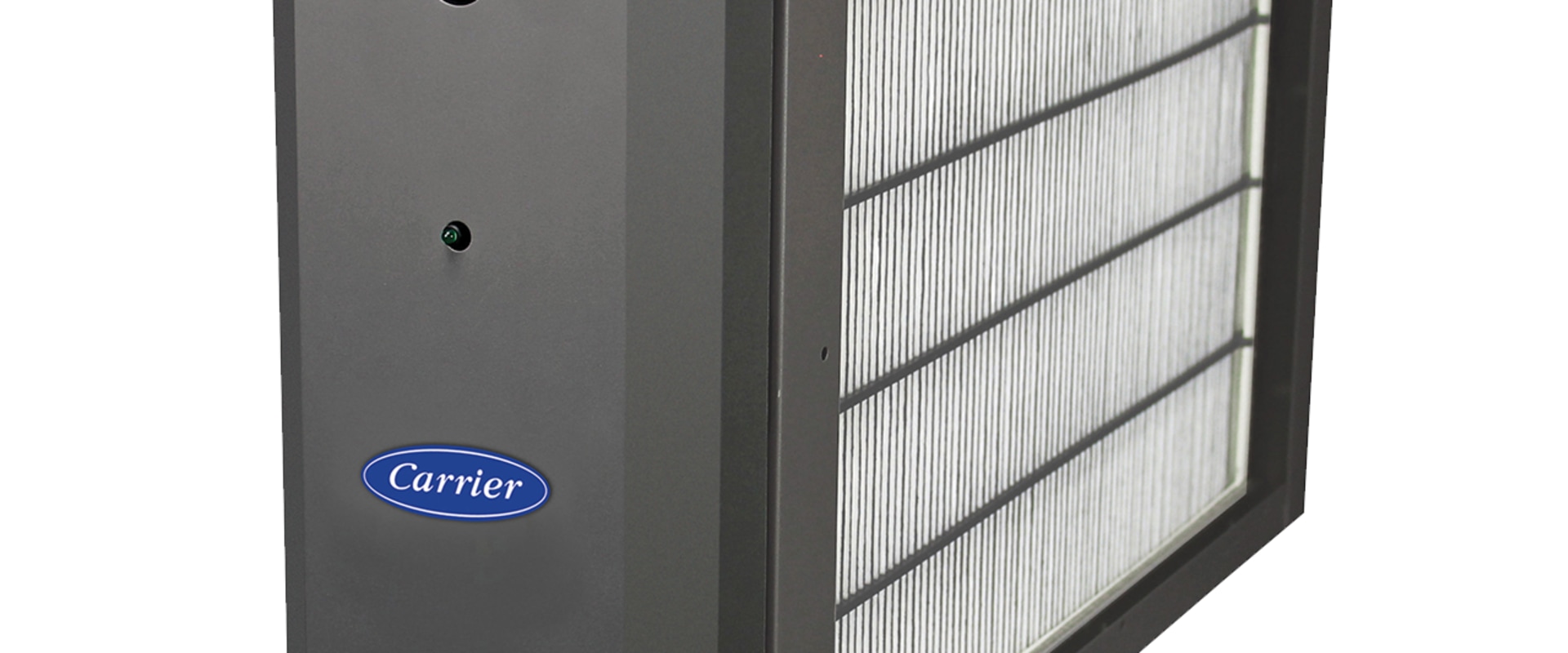
Your Carrier HVAC system is a significant investment—and the wrong filter can silently undermine it. After manufacturing millions of air filters and hearing directly from homeowners, we've learned that filter selection is where HVAC protection either starts or fails. Carrier air filters serve as your system's first line of defense, preventing debris from damaging components while maintaining airflow efficiency. The right filter choice extends equipment life, reduces energy costs, and keeps your indoor air clean. This guide shares what actually works for Carrier systems based on real-world performance data.
TL;DR Quick Answers
Carrier Air Filters
Carrier HVAC systems accept any properly sized pleated air filter—you don't need Carrier-branded products. Use MERV 8-13 filters for optimal performance: MERV 8 for standard homes, MERV 11-13 for allergy sufferers or homes with pets. Replace 1-inch filters every 30-90 days; 4-inch filters every 6-12 months. A quality replacement filter protects your HVAC investment by maintaining airflow, capturing harmful particles, and preventing debris from reaching sensitive components. The right filter extends system life, reduces energy costs by up to 15%, and keeps your indoor air clean.
Top Takeaways
• Brand doesn't matter—sizing does. Your Carrier system accepts any quality filter with correct dimensions and appropriate MERV rating.
• MERV 8-13 is the residential sweet spot. Higher ratings can restrict airflow and strain your system without proper modifications.
• Dirty filters waste money. Clogged filters increase energy consumption up to 15% and accelerate wear on HVAC components.
• Consistency trumps premium ratings. A regularly changed MERV 8 outperforms a neglected MERV 13.
• Check monthly, replace as needed. Visual inspection beats calendar estimates—if it looks dirty, replace it.
Understanding Carrier Air Filter Compatibility
Carrier HVAC systems accept standard-sized pleated air filters that meet specific dimensional requirements. The key is matching your filter's actual dimensions—not the nominal size printed on the packaging—to your system's filter slot. Most Carrier units accommodate 1-inch, 2-inch, or 4-inch depth filters depending on the model. Compatibility isn't about brand names; it's about precise measurements and appropriate MERV ratings that don't restrict airflow beyond your system's design specifications.
MERV Ratings and Your Carrier System
MERV (Minimum Efficiency Reporting Value) ratings range from 1 to 16 for residential filters. For most Carrier systems, MERV 8 through MERV 13 filters provide the optimal balance between filtration efficiency and airflow. MERV 8 captures dust, pollen, and mold spores effectively. MERV 11 adds protection against pet dander and finer particles. MERV 13 filters trap bacteria and smoke particles—ideal for allergy sufferers or homes with air quality concerns. Going higher than MERV 13 without system modifications can restrict airflow and strain your equipment.
Filter Replacement Frequency for Maximum Protection
Standard 1-inch filters need replacement every 30 to 90 days. Homes with pets, allergies, or high dust levels should lean toward monthly changes. Thicker 4-inch filters can last 6 to 12 months but still require regular visual inspection. A clogged filter forces your Carrier system to work harder, increasing energy consumption by up to 15% and accelerating wear on the blower motor and compressor. Set calendar reminders—consistent filter maintenance is the single most impactful thing homeowners can do to protect their HVAC investment.

"After over a decade of manufacturing air filters and working with millions of customers, we've seen firsthand how the right Carrier-compatible filter prevents costly repairs—what seems like a small maintenance task is actually your HVAC system's most important protection against premature failure."
— Filterbuy Air Quality Expert
Essential Resources on Carrier Air Filters
Don't take your indoor air for granted! These resources will help you make informed decisions about protecting your Carrier HVAC system and your family's air quality.
1. EPA Guide to Indoor Air Quality—Understand What You're Breathing
The EPA's comprehensive guide reveals why indoor air can be 2-5 times more polluted than outdoor air—and how proper filtration addresses this invisible threat to your family's health.
Source: EPA Indoor Air Quality
2. ASHRAE MERV Rating Standards—Choose the Right Filtration Level
ASHRAE Standard 52.2 defines MERV ratings so you can select filters that capture the particles affecting your household without restricting your Carrier system's airflow.
Source: ASHRAE Filtration Resources
3. Department of Energy HVAC Maintenance Guide—Maximize System Efficiency
The DOE explains how regular filter changes reduce energy consumption by 5-15%—protecting your investment while lowering monthly utility bills.
Source: DOE Energy Saver - Air Conditioner Maintenance
4. Filterbuy Air Filter Size Guide—Find Your Exact Dimensions
Our comprehensive sizing guide helps you measure and identify the exact filter dimensions your Carrier system needs—because proper fit is essential for effective filtration.
Source: Filterbuy Air Filter Size Guide
5. Filterbuy MERV Rating Comparison—Match Filtration to Your Needs
We break down what each MERV level actually captures, helping you balance air quality goals with your Carrier system's airflow requirements.
Source: Filterbuy MERV Ratings Guide
6. EPA Air Cleaners Guide—Compare Filtration Technologies
This EPA resource compares different air cleaning approaches, confirming that MERV 7-13 filters are nearly as effective as HEPA for most residential applications.
Source: EPA Guide to Air Cleaners in the Home
7. Filterbuy Filter Replacement Schedule—Know When to Change
Based on our experience with millions of customers, this guide provides realistic replacement timelines based on filter type, household factors, and seasonal demands.
Source: Filterbuy Filter Replacement Guide
Supporting Statistics
These government-sourced statistics reinforce why proper filter selection matters for your Carrier system:
• Indoor Air Pollution Reality: The EPA confirms indoor air pollution levels are typically 2-5 times higher than outdoor levels. Your Carrier filter is the primary barrier between these pollutants and your family's lungs.
Source: EPA Indoor Air Quality
• Energy Impact of Clogged Filters: According to the Department of Energy, a dirty filter can increase HVAC energy consumption by up to 15%. With average annual HVAC operating costs exceeding $1,000, that's $150+ wasted on inefficiency.
Source: DOE Energy Saver - Air Conditioner Maintenance
• MERV 13 Effectiveness: EPA testing shows MERV 13 filters capture at least 85% of particles between 1-3 microns—including many bacteria and virus carriers. This level of protection is achievable without HEPA-level airflow restrictions.
Source: EPA Guide to Air Cleaners in the Home
Final Thoughts & Opinion
After manufacturing air filters for over a decade and working directly with millions of homeowners, we've observed a consistent pattern: HVAC problems that seem complex often trace back to simple filter neglect.
Key insights from our experience:
• Brand matching is overrated. Your Carrier system doesn't require Carrier-branded filters. It requires correctly sized filters with appropriate MERV ratings. Quality aftermarket filters perform identically at a fraction of OEM prices.
• MERV 11-13 hits the sweet spot. For most households, these ratings provide excellent particle capture without the airflow restrictions that can strain residential HVAC systems designed for standard filtration.
• Consistency beats perfection. A MERV 8 filter changed monthly outperforms a MERV 13 filter left in place for six months. Regular replacement matters more than premium ratings.
• Visual inspection tells the truth. Check your filter monthly. If it looks gray and loaded with debris, replace it regardless of the calendar.
Your Carrier system was engineered to last 15-20 years with proper maintenance. The filter is where that maintenance either succeeds or fails. Protect the investment you've already made with consistent, quality filtration.
FAQ on Carrier Air Filters
Q: Do I have to use Carrier brand filters in my Carrier HVAC system?
A: No. Carrier systems accept any quality pleated filter that matches your system's exact dimensions. After working with millions of customers, we've found that properly sized aftermarket filters perform identically to OEM options. Focus on correct sizing and appropriate MERV rating rather than brand matching.
Q: What MERV rating works best for Carrier systems?
A: MERV 8-13 is the optimal range for most residential Carrier units:
• MERV 8: Standard protection—dust, pollen, mold spores
• MERV 11: Enhanced filtration—adds pet dander, finer dust
• MERV 13: Premium protection—captures bacteria, smoke particles
Higher ratings can restrict airflow unless your system is specifically designed for high-efficiency filtration.
Q: How often should I replace my Carrier air filter?
A: Replacement frequency depends on filter depth and household factors:
• 1-inch filters: Every 30-90 days
• 2-inch filters: Every 90-120 days
• 4-inch filters: Every 6-12 months
Homes with pets, allergies, or high dust should replace more frequently. Check monthly—visual inspection beats calendar estimates.
Q: Can the wrong filter damage my Carrier HVAC system?
A: Yes. Two scenarios cause damage:
1.Undersized or ill-fitting filters allow unfiltered air to bypass, depositing debris on coils and blower components
2.Overly restrictive filters (MERV 14+) without system modifications strain the blower motor and can cause coil freezing
Proper sizing and MERV selection prevent both issues.
Q: How do I find the correct filter size for my Carrier unit?
A: Three reliable methods:
1.Check existing filter: Look for size printed on the frame
2.Measure the filter slot: Length × Width × Depth (actual dimensions, not nominal)
3.Check your Carrier manual: Lists compatible filter dimensions
Actual dimensions are typically 1/4" to 1/2" smaller than nominal size. When in doubt, measure the slot itself.
Protect Your Carrier HVAC Investment Today
Your Carrier system deserves quality filtration that maintains performance and extends equipment life. Shop Filterbuy's complete selection of Carrier-compatible air filters—American-made, delivered direct to your door, and backed by our commitment to better air for all.
Learn more about HVAC Care from one of our HVAC solutions branches…
Filterbuy HVAC Solutions - West Palm Beach FL
1655 Palm Beach Lakes Blvd., Ste 1005 West Palm Beach, FL 33401
(561) 448-3760